
Conversations around sustainability in the automotive industry often focus on electric vehicles, battery technology and renewable energy. While these innovations are reshaping the future of transportation, packaging is another important contribution to sustainability in the automotive industry.
Every vehicle assembled today is comprised of thousands of parts sourced from suppliers around the world. Those components need to be protected, transported and delivered to production facilities on precise schedules. The packaging used during this process directly impacts waste generation, transportation efficiency and carbon emissions across the supply chain.
As automakers intensify efforts to reduce Scope 3 emissions, the indirect emissions generated throughout supply and distribution networks, packaging is becoming increasingly important for measurable improvement in this area.
The Scale of Packaging Waste in Automotive Manufacturing
The scale of the challenge is significant. Packaging materials make up a major portion of global waste streams, and automotive manufacturing amplifies the issue through sheer volume. A single vehicle may contain more than 30,000 individual parts, many shipped long distances before reaching the assembly line. Corrugated boxes, foam inserts, stretch wrap and wood pallets are often used once and discarded, creating substantial material waste across millions of annual shipments.
Packaging also plays a major role in transportation efficiency. Oversized containers and poorly optimized pallet configurations increase cubic volume, which leads to underutilized trailers and unnecessary freight movement. Even small improvements in packaging density can reduce fuel consumption and emissions in high-volume manufacturing environments.
The Shift Toward Reusable Packaging Systems
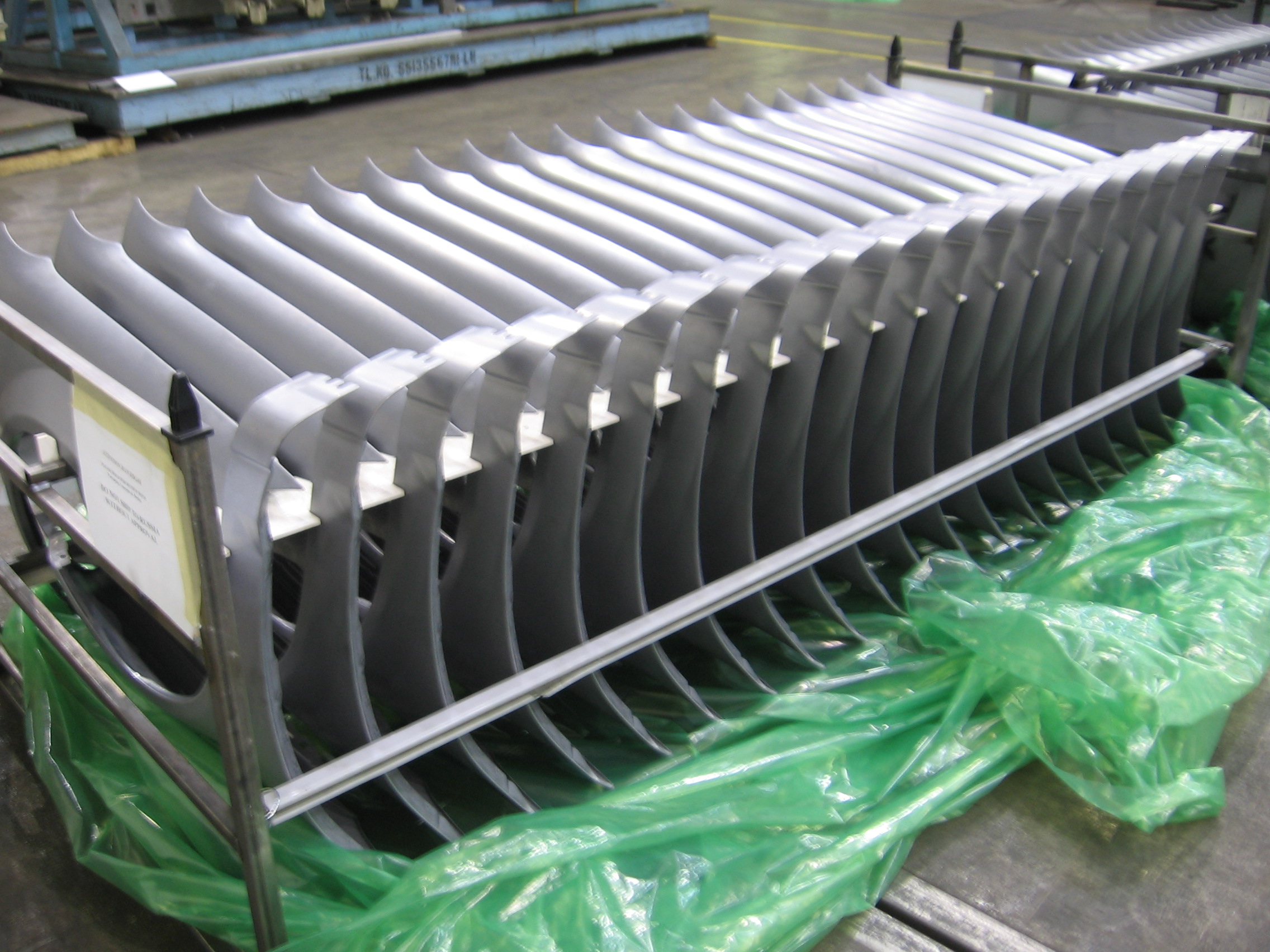
To address these challenges, many automotive manufacturers are shifting toward reusable and returnable packaging systems. Engineered returnable containers, custom protective packaging and reusable transport systems can withstand repeated shipment cycles, and replace disposable materials with long-term solutions designed for durability and efficiency.
While reusable systems may require a higher initial investment, the long-term environmental and operational benefits are substantial. Reusable packaging reduces landfill waste, lowers raw material consumption and decreases the ongoing costs associated with single-use materials. In closed-loop supply chains, where packaging is consistently returned, reused and recovered, these systems can significantly reduce environmental impact over time.
Improving Transportation Efficiency and Product Protection
Custom packaging design also improves load optimization. Containers engineered specifically for automotive components reduce empty space and minimize the need for excess protective fillers. Better load efficiency means more parts can be transported in fewer shipments, lowering freight costs and reducing emissions throughout the supply chain.
Another important benefit is damage reduction. Automotive production relies heavily on just-in-time and just-in-sequence delivery models, where damaged parts can disrupt operations and delay production schedules. Packaging designed around the exact specifications of individual components helps reduce breakage, scrap and the need for replacement manufacturing, all of which carry environmental costs.
Supporting Circular Economy Goals
Packaging innovation also supports broader circular economy goals. Many automakers are increasingly focused on material recovery, recycling and waste reduction throughout their operations. Closed-loop packaging systems align naturally with these objectives by allowing packaging materials to be collected, reprocessed and remanufactured rather than sent to landfills.
Beyond sustainability, packaging improvements can positively affect operational efficiency on the assembly line. Packaging designed for automation and line-side efficiency reduces manual handling, improves storage utilization and streamlines production workflows. In this way, sustainability and operational performance become complementary goals rather than competing priorities.
The Role of Packaging in the Future of Automotive Sustainability
The automotive industry is under growing pressure to demonstrate measurable environmental progress across every stage of production. While packaging may not receive the same attention as electrification or renewable energy initiatives, it offers a practical and immediate opportunity for improvement.
Because packaging influences transportation efficiency, material consumption, waste generation and product protection simultaneously, it represents a powerful yet underutilized lever for sustainability transformation.
Sustainability on the assembly line depends on how every component is shipped, protected and recovered throughout the supply chain, rather than vehicle innovation alone. As such, packaging has become a cornerstone of the industry’s path toward a more sustainable future.
By Paul Budsworth