
What is circularity, and how does it connect to ESG in the tech industry?
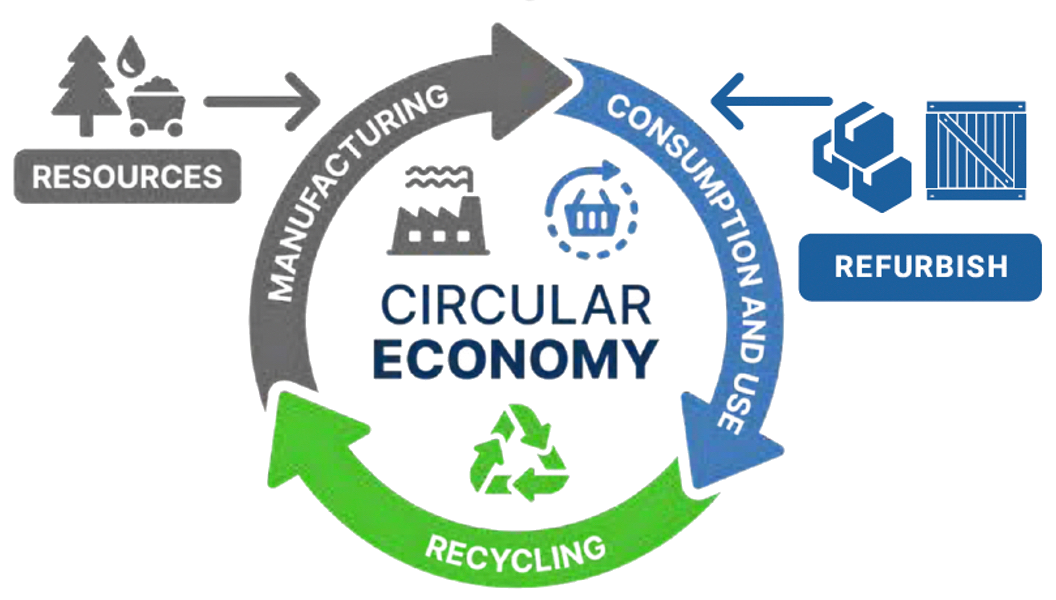
Circularity is the practice of designing products and systems so materials remain in productive use rather than becoming waste. Instead of a linear model where materials are extracted, used, and discarded, a circular system prioritizes reuse, refurbishment, recovery, and responsible recycling. In packaging, circularity means designing materials, structures, and logistics processes so that packaging becomes a managed asset rather than a disposal problem.
For technology companies under pressure to meet Environmental, Social, and Governance commitments, circular packaging is not only an environmental initiative. It is a measurable lever that influences carbon reporting, waste reduction, supplier accountability, and long-term operational resilience.
Why Circularity Matters in the Tech Supply Chain
Tech companies operate global supply chains that move high-value servers, networking equipment, and hardware across multiple facilities. Packaging touches every shipment. It influences emissions, material usage, product recovery rates, and landfill diversion.
In ESG reporting, Scope 3 emissions often account for the largest share of a company’s carbon footprint. These emissions include upstream material production and downstream disposal or recovery. Packaging plays a direct role in both.
Upstream, emissions are generated through material extraction, manufacturing, and transportation. Downstream, emissions and waste are driven by disposal practices, recycling processes, or reverse logistics systems.
A circular packaging system addresses both ends.
Reducing material volume lowers upstream extraction and processing emissions. Lightweight, cube-optimized designs reduce freight-related carbon impact. Reusable and returnable packaging reduces the need to manufacture new materials for every shipment. Closed-loop recovery systems prevent packaging from entering landfill streams.
When packaging is engineered as a system rather than a commodity purchase, it becomes a controllable variable within ESG strategy.
Circularity and Landfill Diversion in Tech Operations
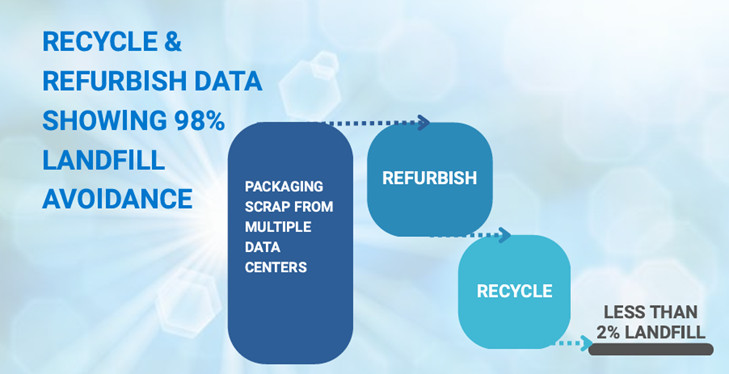
Landfill diversion has become a visible ESG metric across the technology sector. Investors and customers increasingly expect companies to track and reduce waste sent to landfills, especially in data center and hardware-intensive operations. Circular packaging contributes directly to this goal.
Designing packaging for reuse or refurbishment extends its functional life. Using mono material construction simplifies recycling and improves recovery rates. Integrating reclaim programs ensures materials are collected, sorted, and reintroduced into controlled processing streams rather than discarded.
In the tech industry, reverse logistics is particularly important. Hardware is frequently returned for repair, upgrade, redeployment, or responsible decommissioning. Packaging that is engineered for return shipments protects assets during transit and increases recovery rates.
Higher recovery rates reduce product obsolescence, minimize write-offs due to transit damage, and extend the lifecycle value of products. All of these outcomes strengthen ESG performance across waste, emissions, and asset utilization metrics.
Circularity, in this context, supports both environmental goals and financial discipline.
Material Selection as a Circular Strategy
Material choice remains a critical lever in ESG-aligned packaging systems, but circularity goes beyond simply choosing recycled content.
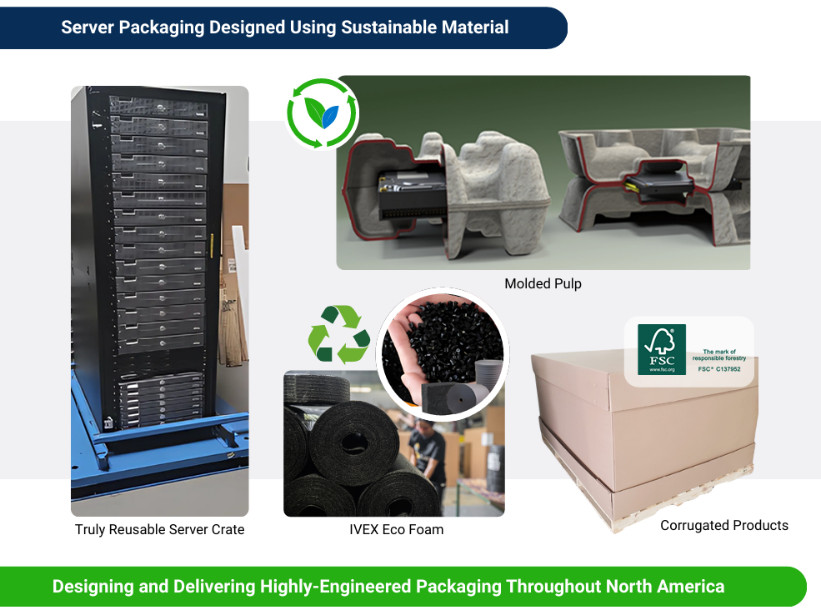
Recycled materials such as post-consumer resin or certified fiber reduce reliance on virgin feedstocks and lower embedded carbon. However, those materials must be compatible with local recycling infrastructure to deliver real impact.
Traceability also matters. Certified sourcing frameworks and documented supply chains strengthen governance reporting and demonstrate responsible procurement practices.
Simplifying material composition, such as shifting toward mono-material corrugated systems or recyclable engineered plastics, improves recovery efficiency. The fewer barriers to sorting and reprocessing, the stronger the circular outcome.
Circular packaging requires design alignment with end-of-life pathways. If a material cannot realistically be reclaimed within the destination’s infrastructure, it does not fully support ESG objectives.
Circularity as a Governance and Risk Strategy
ESG is not solely environmental. Governance and social responsibility are equally important.
Circular packaging systems support governance by increasing transparency and accountability within the supply chain. Closed-loop recovery programs create documented material flows. Supplier alignment ensures that sourcing, manufacturing, and recovery partners meet defined environmental and ethical standards.
From a risk perspective, circular systems also reduce exposure to material price volatility and regulatory shifts. As governments introduce stricter waste and carbon regulations, companies with established circular packaging infrastructure are better positioned to comply without operational disruption.
Circularity, therefore, strengthens both environmental metrics and corporate resilience.
Circular Packaging as Competitive Advantage
In a highly competitive tech landscape, ESG leadership signals innovation, discipline, and long-term thinking. Circular packaging systems demonstrate that sustainability is embedded within operations, not layered on top.
For technology companies seeking meaningful ESG progress, the opportunity is clear:
Design packaging systems that reduce environmental impact, strengthen supply chain resilience, and align performance with corporate sustainability commitments.
At SPG, we engineer circular packaging systems that make ESG goals practical, measurable, and scalable.
That is how circular packaging supports ESG goals in the tech industry, not as a theory, but as a system built to perform.