
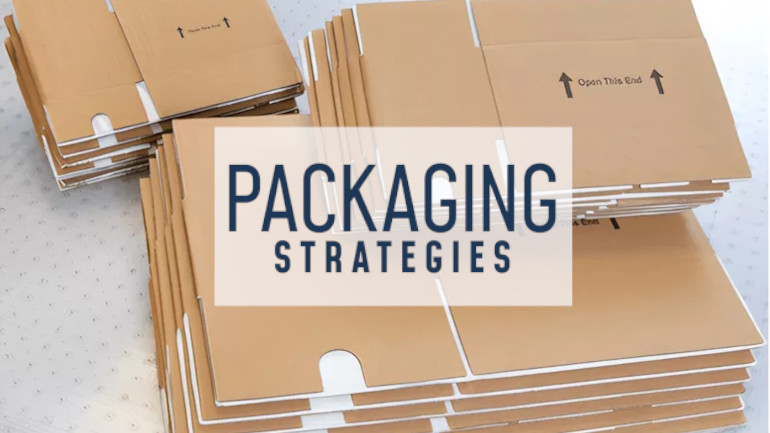
Modern packaging has transcended its traditional role as a functional requirement to become a cornerstone of strategic corporate operations. In an era where consumers, regulatory bodies, and investors demand rigorous environmental stewardship, the lifecycle of packaging—from initial design to final disposal—requires a fundamental paradigm shift. Despite the ubiquity of recycling programs, McKinsey & Company research reveals a sobering reality: approximately 80% of global packaging materials are relegated to waste streams after a single use.
While corrugated cardboard remains a pillar of the recycling industry, the “multi-material obstacle” inherent in contemporary e-commerce presents a formidable barrier to progress. This challenge is characterized by the integration of plastic adhesives, expanded polystyrene inserts, and polyethylene bubble wrap within a single shipment. Such material hybridization creates a significant technical bottleneck, complicating sorting processes and degrading the purity of recycled outputs. To achieve a truly circular economy, the industry must move beyond simple recyclability and address these systemic complexities that currently impede sustainable material recovery at scale.